The main thing left to do on this Arthurian-esque project is player actions.
As I covered before, each player action in this mini game is tied to an item. Swords have an attack action, for example. And an action requires a roll, which advances a token (now a die) round the rondel. Read the last few posts if you need catching up.
(And yes, it’s a rondel I think. That’s already a board game term for a school of mechanics that are similar enough, and it’s a suitably medieval word.)
We’ll need to assign the different actions to items, work out a basic concept for how items are held/stored, and figure out what an item “looks like” in this game - is there any thing to them besides a discreet rules action.
I’ll also explore possible other concepts for items, but I won’t be finalising those for inclusion just yet. Once all that’s done, we’ll have a playable “test” fight ready to go.
Oh, and it should be clear by now that this is pretty much a board game and does not align with how ttrpg combat works best, in which PCs can attempt to do pretty much anything. So, uh, sorry if that’s what you come here for, but that’s not this game.
Ok then! Items.
There were 3 actions available to me in the last rough test based on the general ideas for actions in the original concept, and those worked fine.
(Oh, and I need to call the die that moves round the rondel something to make it clear when it’s mentioned over the other dice or whatever, so for the moment it’s called the heart die.)
Attack: “heavy” roll (2d6 take higher). If the heart die passes “midnight” on the rondel due to this roll, action fails. If the heart die does not pass “midnight” due to this roll, deal 1 hit (move the hit token 1 space clockwise).
Defend: “light” roll (2d6 take lower). If the heart die passes “midnight” on the rondel due to this roll, negate damage caused by overkill for this roll. If the heart die does not pass “midnight” due to this roll, reduce hits by 1 (move the hit token 1 space counter-clockwise).
Claim: “spell” roll (2d6). Roll equal to or under the current tally of hits (as indicated by the current position of the hit token) to claim the foe’s soul and end the fight. Roll over this number, roll fails.
Probably worth noting - these are written terribly. There’s probably no way to understand them unless you’ve read all the posts in this series so far and somehow understood those.
These are all just notes, remember - turning this all into a rulebook that allows the reader to teach themselves the game just by reading alone is a whole other battle, one that a lot of big-name board game publishers can barely fight. Some can’t! Thankfully you won’t have to see that bit of the work.
Anyway.
Let’s assign each of these to an item, and also decide how items are depicted in general. Dark Souls famously tells its story and world history through item descriptions, to the point that just the phrase “item descriptions” is something of a meme in itself. And I’ve always loved the little flavour blurbs that come with item logs or bestiaries and such across JRPGs in general. So let’s have a go at that (remembering this is all first draft stuff…)
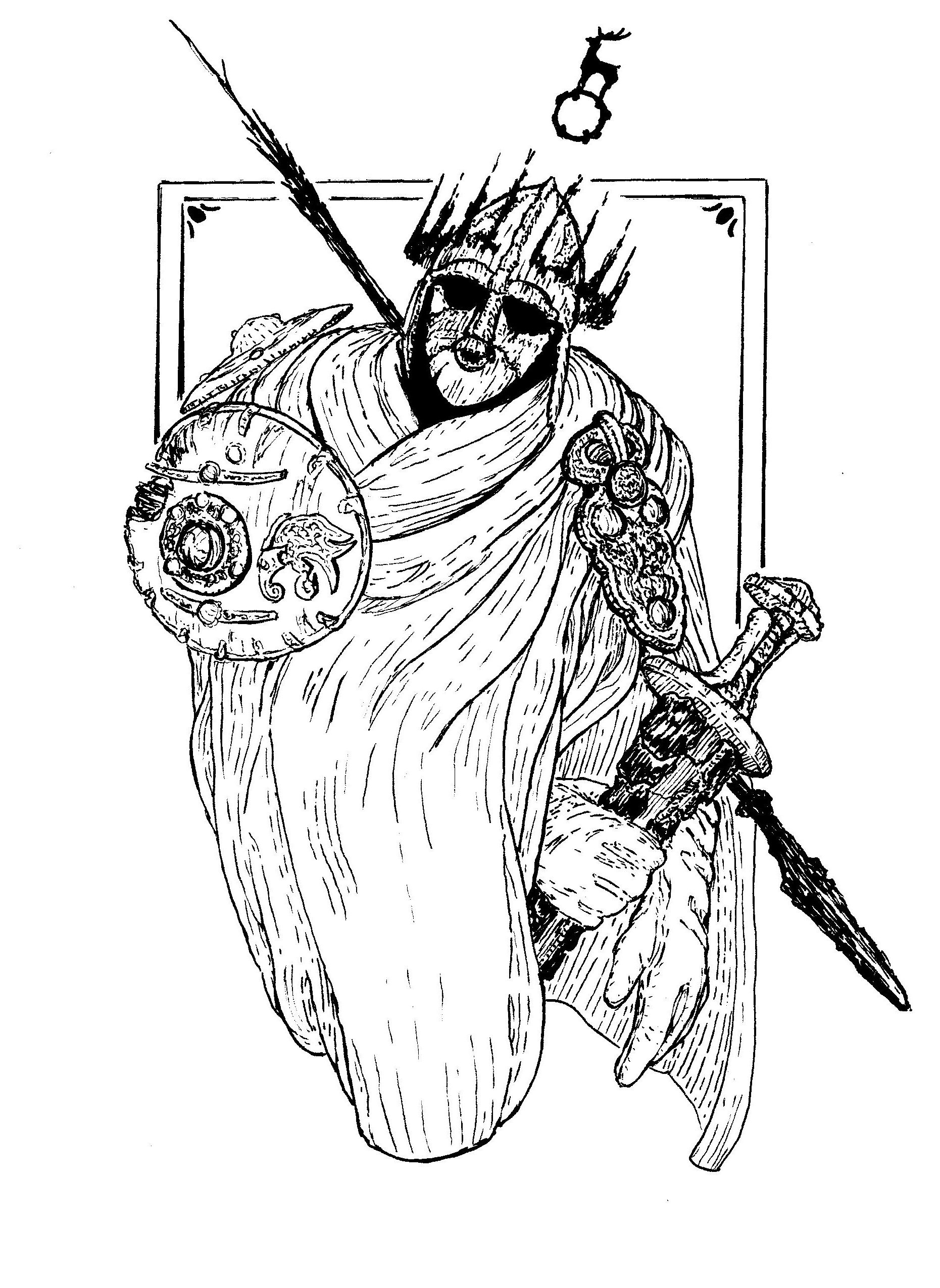
Old Sword. Its blade is nicked and weathered but still holds true. It will not fail a valorous knight.
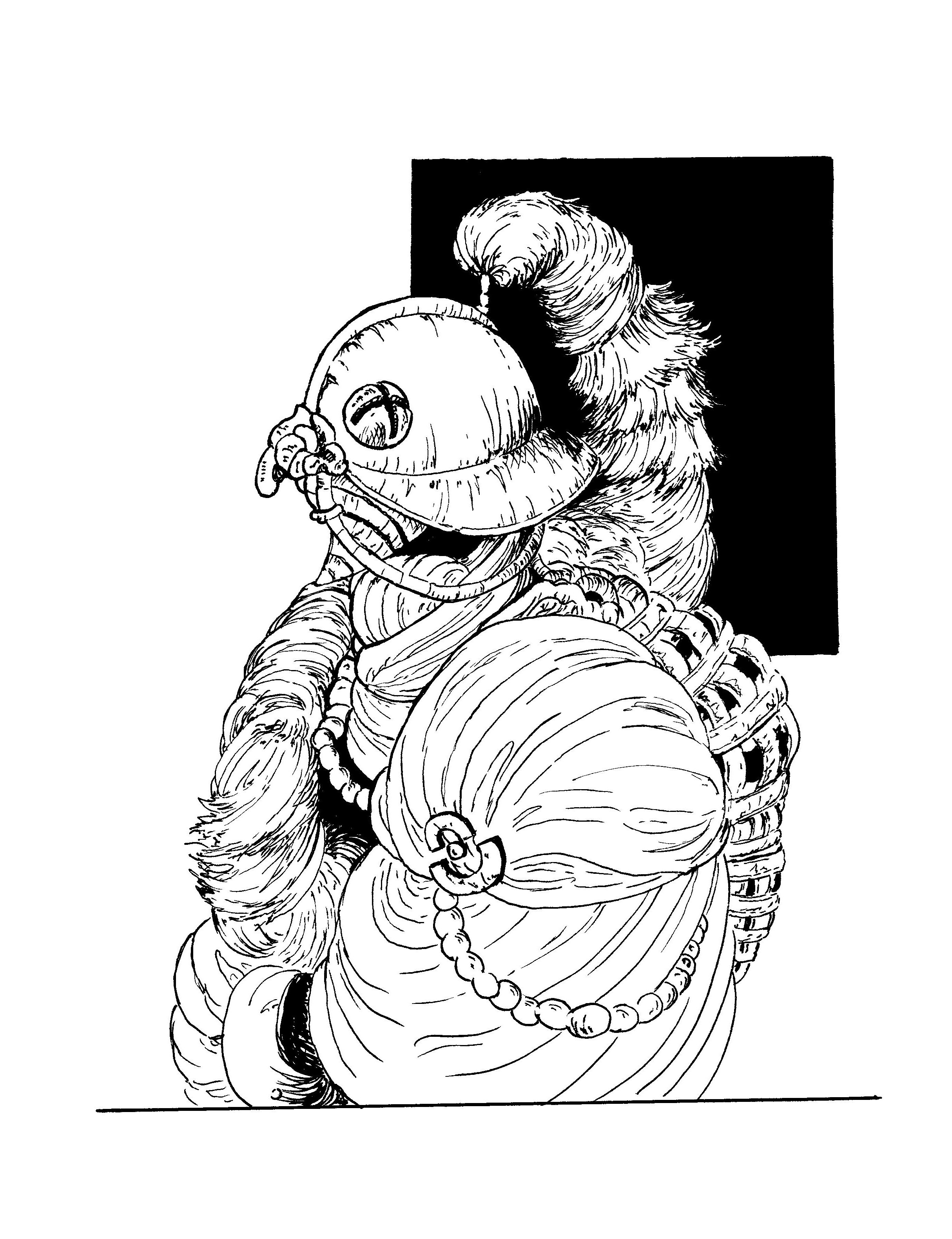
Black Ram’s Shield. Bears a sable crest beneath dents and scars. Lightweight and trusty.
Morgen’s Favour. A talisman from the witch queen of the otherworld. Contains a spell to bind the souls of those bested in battle.
Good for now!
Inventory-wise, I like the idea of having spaces for the left and right hand, creating risk if you want to switch things around mid-battle. So let’s say that you can freely use the actions of items in either hand, and putting an item you find into any space is a free action. But to switch the positions of two items in battle is an action that requires a 1d6 roll.
… Seems ok. Oh, and Morgen’s Favour is a vital thing that you’ll always have need of, so while I could make it eat an inventory space and force the player to switch it in and out, that seems kind of needless and unfun. So let’s say it’s always “equipped” (attached to your helm or something idk), and you can use the spell whenever as if it were in your hand.
Then for the rest of the inventory, call it 9 spaces total - enough for a spare weapon or two and some other fun items. With the two hands and the “favour space”, that brings us to 12 items altogether - same as the numbers on our clock. I like my numbers to align! (I mean, have you seen GRAVEROBBERS?) I’m sure someone could arrange the spaces around the clock in a very pretty way on the character sheet, too.
So what could those other items be?
Just a jumble of thoughts so far, but:
- Healing items. First thing that pops into my head is a magic potion, but I quite like the idea of fairy dust, like from Berserk. Dark Cloud has some great items and that’s on our influences list too. But yeah, a one-use item that you’d have to take out of your inventory to use in battle, that heals your heart die back up. There can be different levels of healing item, like all good JRPGs.
- Consumables. Other one-use items with fun effects. Buffs could make your next attack do more damage or eat up hits for a turn. Fire vials that deal damage to an enemy, poison that coats your weapons and makes your next attack have weird side effects. These could be fun and quite powerful, since they’d disappear after a single use. Offers a fun choice of if or when to use them.
- Armour. Each bit could be its own item, meaning you can mix and match armour sets with different effects, and choose how much armour you want to wear vs what other items you might want to take. Or, I might just handwave it? For some reason the idea of helms being the only armour item is really appealing to me - the rest is implied, and then the helm lends flavour and a special effect, and you switch between them depending on your goals and preferences. Dunno. I can make that decision later I guess.
- Gear. Not armour but items you hold to get a passive effect. I keep thinking about boots for some reason. Like, they could let you dodge attacks. Or “move” quicker - how could that be represented? Fun to think about. There could be all sorts of other passive effects, and the prep game would be in choosing whether each slot in your inventory should be armour or one of these, or a spare weapon or a consumable, or a free space in case you find good items… etc etc. The more “good” options the better.
- Other weapons. I think the concept of a bow you load and aim with a heavy action and fire with a light one is solid. Some more tweaking would need to be done to make it feel balanced and worthwhile. I also definitely want a greatsword in the game, something that takes up both your hand spaces. Beyond that… idk, weapons are fun. Whips, staves, maces, axes. Each with their own mechanic and potential drawbacks. I’d definitely treat these more like Monster Hunter weapons where none is “better” and picking one is all about what feels right to you - but then there could be different versions of each, like magic swords or whatever. A lot of the game’s potential longevity is going to be about making these feel right!
- Craftables? Ingredients that don’t do anything on their own but can make things. This would be… a lot of work, and it’s not something I want to do right away. An earlier version of this game that is languishing in my notebooks was built around a crafting system. Maybe worth a revisit down the line but… it really is a whole thing.
How does the player get their hands on these? Well, for now we don’t need to worry, we’re just focused on the Bridgekeeper fight and those three basic items. But once the battle system is down I want to start looking outside it - a way of exploring castles, making decisions about where to go and how best to explore before taking on the resident Lord using the various bits and bobs you’ve collected along the way. Y’know… dungeon stuff.
As for that Bridgekeeper fight…
If you’d like to play along at home, you should now have everything you need now to try out this basic fight! Remember that this is an early playtest - the point isn’t to work out whether or not the game is fun (it probably isn’t just yet!), but whether it works.
Are their points in your playthrough where the rules don’t say what should happen next, or are all the bases covered? Are there edge cases or freak occurrences that can severely disrupt the experience, or does the randomness feel logical (if mildly unfair at times)? These are the relevant questions for now.
For what it’s worth, I’ve tried the fight a few times and i think it works ok! It’s very easy, which makes it a good baseline for the future. But the basics are there, and I’m happy with how far this project has come in just a short time.
So, give it a go if you’d like - you’ll need 3d6, a coin or token and a clock face to play on (just draw one). Your three items/actions are listed above, and your opponent deals damage equal to Overkill, or OK+1 if you reach 9+ hits on them. Yeah, all the rules are spread across like 4 posts now and I can’t be arsed to compile them, sorry. That’s a job for future me to worry about!
For now - have fun, and next time I come back to this series I’ll start thinking about new ways to beef up fights, items and a structure to bind it all together.
Peace!