Showing posts with label spells. Show all posts

Tuesday, 19 September 2023

False Equivalent Exchange

 So in this week’s Dandadan an 18th century alchemist who might be organising an alien invasion got a train across Tokyo to enrol as a high school teacher, which doesn’t even break the top 50 most bonkers things to happen in that manga but I digress

On the train, we get a like 1-page silent scene, a few panels illustrating his journey. At one point he offers his seat up to an older woman with a cane, and stands the rest of the way. Then when he arrives at the school, he comes in and just kind of takes a chair by a computer in the office, talking as if he’s always been there as he infiltrates the school right there in front of everyone. And while his new coworkers seem a little confused, they accept it. Something’s off… but it’s not this guy, we know that he works here, that’s his seat.

And it’s not confirmed or even particularly highlighted, but I’m pretty sure the train journey was a spell. Like, it’s made clear he’s using some kind of magic to alter peoples’ perception of him, but I’m fairly certain the innocuous train scene was him casting that magic, that giving up a seat allowed him to take a seat. The law of equivalent exchange is pretty well known esotericism, used to great effect in Hirofumi Arakawa’s classic Fullmetal Alchemist, but what’s happening here a bit different.

And i think it’s cool so let’s steal it 👍

The Law of False Equivalent Exchange is an FKR-style magic system that works thusly: Any character who can Do Magic may attempt a ritual. They must accomplish three tasks of their choosing which affect the material world in opposition* to their desired goal, represented by three “sub-“goals. If the GM agrees and they are able to perform the tasks, their goal is magically achieved.

*but not exactly. For example:

A character wants to become queen of a small kingdom. Instead of staging a coup or using some mundane trickery with the line of succession, they set out to achieve this via a magic ritual. The player proposes the following sub-goals and their “opposite” tasks:

- I will take the throne: I will give up a “throne”, a valuable seat.

- I will wear the crown: I will remove something precious from my head.

- I will rule the land: I will allow the earth to do what it will with me.

The player character takes a horse and cart to the current king’s castle, paying the fare of an elderly traveller and giving up their seat, opting to ride in the back. By night, in a storm in the fields outside the castle, they remove their own eye with a knife, dig a hole and lay in the dirt, allowing the soil and rain to smother them (GM probably calls for a save or something here).

The GM rules the ritual complete and accepts the exchange - when they wake in the morning, choking on dirt and blood, they clamber out of the earth and walk into the castle, where they are greeted as queen.


This could get boring if it’s too easy so I’d set limits - not silly once-a-day stuff, more like some overall larger price to messing with the material world like this. You’d be immediately set apart, visible by spirits and fairies, or maybe you’d have to reckon with the ghosts of the world you undid. Or just give it a bigger material cost, some specific magical ingredients that must be spent to finish the ritual, unicorn’s blood etc.

Thursday, 10 October 2019

Alcalligraphy

selected excerpts from a students' field guide by High Birdmistress Gwim of the Qin Citadel Rookery

On Nibs

As Yatun writes: "the Nib is, among the Master's accoutrements, uniquely both superfluous and focal [...] it is nothing by itself, yet becomes at the moment of ritual the locus of the Master's soul, the divine Universe, and the Energies of the World."

Being a beginning alcalligrapher, it is easy to become overwhelmed by the many and varied options extolled by your peers and forebears. Your teacher, if you are lucky enough to have one outside of this book, will likely express a preference to which they may well entreat you to adhere; I attempt to offer such guidance, though I focus here chiefly on listing below the common options, that you might make your own decision.

On Shape

Nibs come in two major varieties, being pointed or broad. A broad nib is often looked down on as offering less flexibility of expression in exchange for an easier wield, but can in fact achieve a similar range of artistry with a practised hand, though the methods are different to those commonly taught, owing more to geometry (cf. Agost's treatise on planar angles).

The pointed nib is the common choice, but requires a delicate hand that its most vocal proponents often lack. It is the quieter and subtler of the two shapes, less mechanical and thereby lending itself to the traditional forms and holds most frequently taught but so rarely mastered.

There is also a recently fashionable blunted or "stub" nib, which lies somewhere between the two. I recommend this for beginners only, as I doubt its effectiveness in the higher forms.

On Material

While the make of a nib is, in the cosmic sense, largely inconsequential, a soft yet firm metal allows energy to flow freely and provides enough flexibility to recreate the forms freely without sacrificing precision. The metals most commonly used in nibs are as follows.

[On Copper] Often considered base due to their cheapness and lesser durability, copper nibs are by no means of inherently inferior quality. I would recommend them especially to new alcalligraphers, as they can be replaced easily if damaged during recitals. I have seen them used effectively at even the highest forms, and a copper nib kept well will last much longer than their reputation suggests. Bronze is also an excellent alternative for a more experienced Master, with very similar resonances.

[On Steel] The most common, still in use as the Royal standard issue due to its excellent strength and resistance. The added hardness of steel does require delicacy when handled, especially if using a pointed nib, but for the basic forms there are few better options. The metal's resonance with the Winter house also affords it unique strengths in some less common forms, though a beginner used to the resonance of warmer metals may find the adjustment difficult.

[On Gold] A hugely popular choice among those who can afford it, gold benefits not only from its excellent softness but also its durability and strong Summer resonance. However, those who utilise it as a mere status symbol are frequently kept in check by the metal's unwieldy level of softness; a truly light and delicate touch is needed to handle a gold nib, making the learning curve steeper than with other metals. In the hands of a true Master, however, there is little more effective at the higher forms.

There are other options in material, such as the practice of tipping the nib with platinum or even silver. These should be avoided until the practitioner is familiar enough with the basics to take on the additional complications in resonance added by mixing metals..

On Feathers

It is a well-used metaphor, and trite, but as beginnners it serves us well: if the Universe is whence we draw the water and the flame, and the Master is the vessel, then the feather used is akin to tea leaves. One can expect to make "tea" - that is, "magick" - with anything, though the taste and effects will vary with type, quality, and the skill with which the ritual is performed.

Given the spectra of birds available to us here in the great citadel, the feather used in learning the forms is largely the choice of the teacher. Unlearned practitioners use the tail or wing feathers of common pigeons, or perhaps still worse magpies, to achieve the base forms and distasteful bastard magicks.

As a Royal student you will likely begin with raven or crow, a purer class of bird and the Royal standard for even trained guards. The powerful Winter alignment of the birds themselves is inherent within their feathers (though take heed that this correlation is not uniform across all species, as commonly illustrated through the case of the male peafowl - cf. Merittom's Bestiaries), and is ideal for practising the forms required for the citadel exams, and serves as a functional starting point on the lifelong journey towards Mastery.

Beyond these, a Master's selection is their own. For those with a tutor, a practice feather will likely be gifted - though do not expect the same type as the teacher's, which has likely taken them many years of progression and ritual to gain competence in. You will likely have cause to practice with many types before settling on a preference - while the old adage that "every feather is a spell" is far from academically correct, there are forms limited to certain classes or even species of bird.

I can offer little advice in this matter, other than to remember one's resonances - it is not too great a measure to take into account one's birth chart! - and to not waste time on delusions of grandeur. Many a would-be Master has failed to realise their true potential after frittering away decades on failed quests for the tail feathers of the Phoenix or the Crowning Bird. Better to learn through ritual, practice, and performance, than high-minded ideals.

Tuesday, 4 December 2018

To Hurtle Through Hell

News item #1: A big ol' post just went up on the Patreon about what this blog is going to be up to next year. If you're not part of the Graverobber's Guild yet, sign up for just $1 USD a month!

News item #2: Ben "Questing Beast" Milton and Brendan "Necropraxis" S have written up a survey about what the OSR means to people and what they want out of it, if you have any opinions on this please fill out the survey here!

To business, then...

"Hell" is an old-fashioned term we got from cults and clerics, these days used as a general name for any plane or dimension that is either inhospitable or actively opposed to life as we know it.

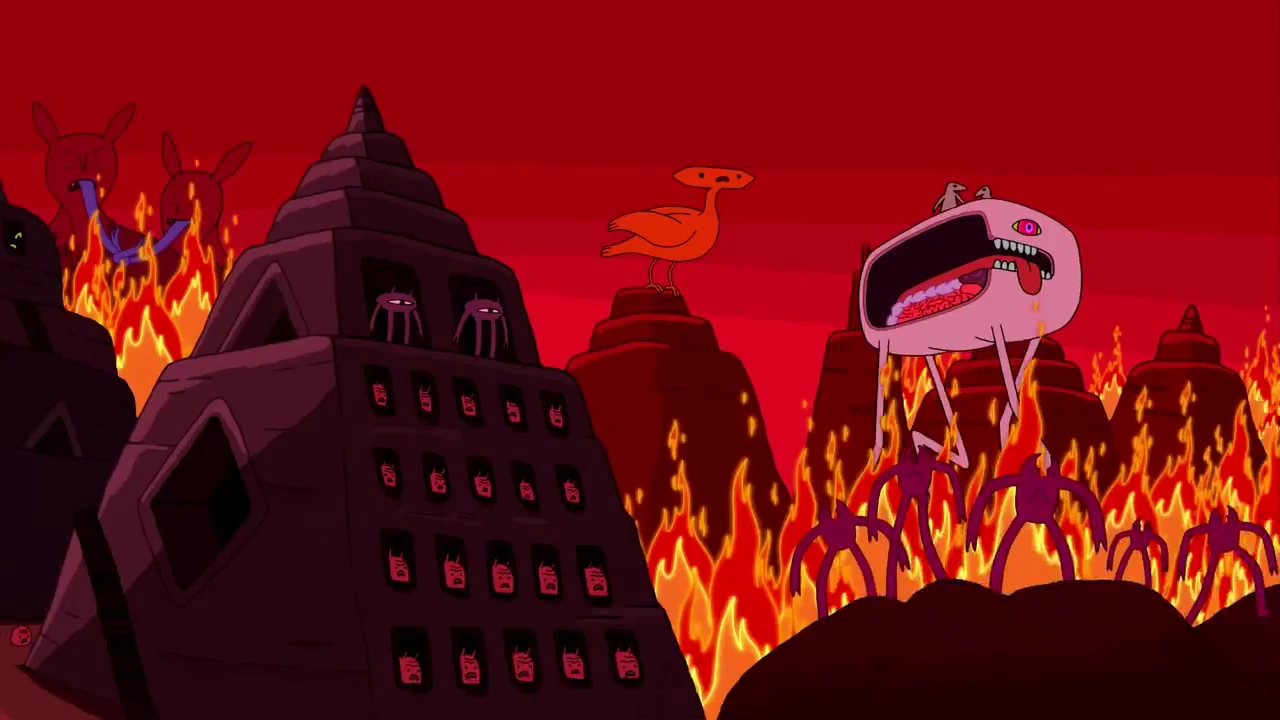
There is one particular hell, a constant hungry battleground of writhing demonic flesh, which sits in a particular cosmic alignment with the prime material plane. Thanks to this proximity, it turns out that travelling via this hell results in journeys being shortened to the point of near-instantaneous travel.

Once can, with enough momentum, pop into hell and spring back out again at almost any location on Earth in a matter of seconds - assuming the detour can be survived.

your shortcut
Hellholes
The portals for performing this maneuver require a specific spell. They must be conjured immediately, sustained for exactly as long as they are being used and no longer, and be opened in quick succession - point of entry then point of exit.

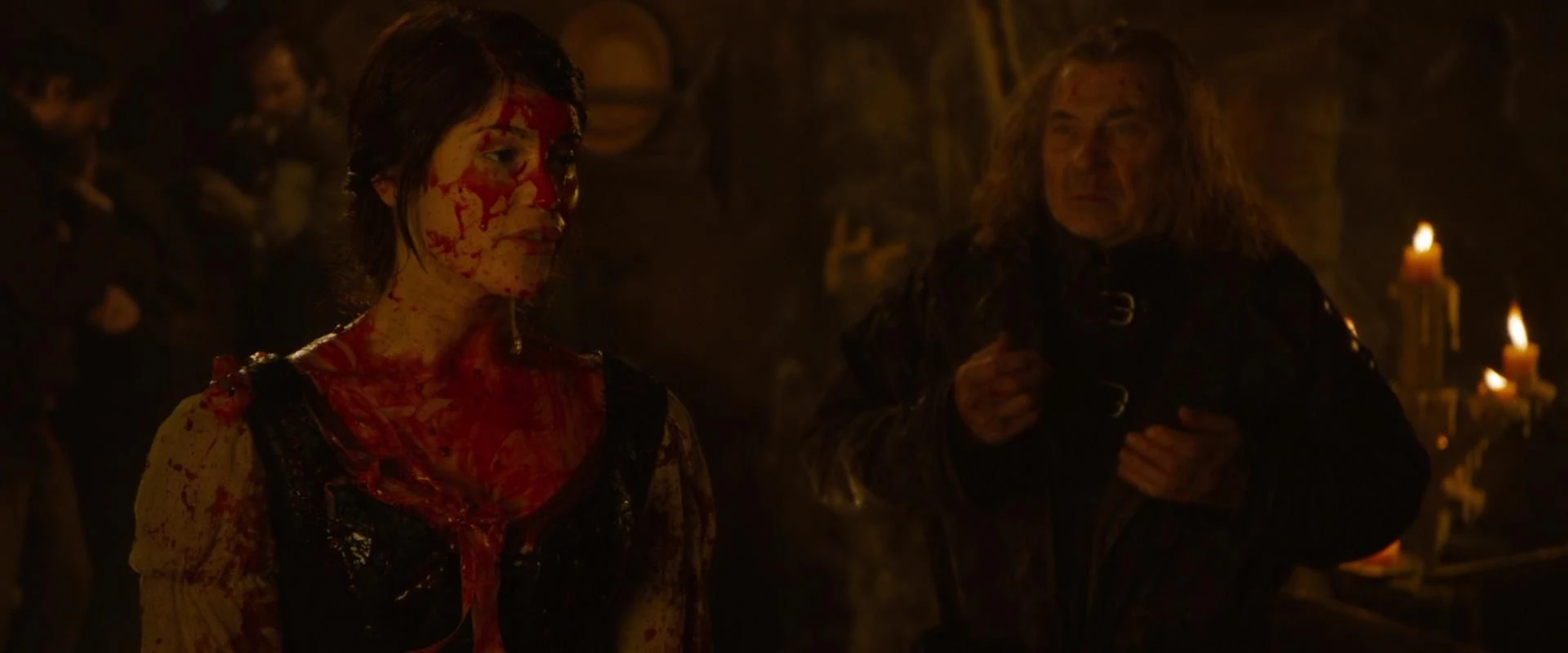
The travel between the portals is messy, to say the least. If the traveler is not quick, they will be eaten or impaled or absorbed or flagellated or diced or sliced or gods knows what. Even if they are quick, something else's gore will likely get mixed up in the proceedings. Wizards still show up to parties drenched in demon blood.

sorry I'm late, lads, traffic's a nightmare
Spell: Hellhole. Creates a series of sphincter-like portals that form a detour through a hell dimension, then hurtles the caster through them at great speed.

Instantaneously appear at another general location on the material plane (must be on said plane to start with). You arrive covered in demonic gore, 1 in 6 chance there's a useful organ or piece of bone/horn stuck to you. Save vs spells or die on the way.


the point of exit
This rudimentary use of the hell dimension for travel was solely the purview of daredevil warlocks, until the development of the helldozer.

Helldozers
By the same logic of design that powers astral ships or golden barges, but to those as a sawn-off shotgun is to a sniper rifle. A helldozer is a transport craft which insulates its driver, passengers and cargo from the demonic onslaught as it plows onward towards its destination, throwing itself through an alchemically generated hellhole, propelled by a controlled cosmic explosion.

A dwarvish construction built on human recklessness, it is bulky, graceless and painfully slow when not blasting through dimensions, but as reliable as it needs to be. A helldozer that has its tusk-like prow stained deeply with ichor is a worthy one - a clean prow means the craft is untested. Of course, either way it's a risk - but sometimes you just need to get where you're going.
you laugh but this is actually fairly close. I'm sure there's a Games Workshop model that'd work
Helldozer: Roll 1d20 to hurtle through hell as with the effect of Hellhole but without the save: stranded in hell on a 1. Roll with advantage but no modifiers if you have a skilled pilot.

Price of a very nice warship, encumbrance of ~10 adventurers. Moves at half movement speed on land, any terrain. Anything on the helldozer's exterior when travelling through hell is lost unless the pilot rolls at least one 19+ (and wants to not lose the thing in question).

Extras: Bits o' Demon

Among the gore, guts and shredded miscellania your wizard or helldozer is coated in upon exiting the hellhole (1d20):

1: Small intestine, as rope
2: Meat chunk, as ration
3: Tooth, as dagger
4: Schpleenus, as flask of oil
5: Gigagizzard, as vial of poison
6: Suspicious meat chunk, as ration, save vs indigestion
7: Eyeball, a functioning replacement
8: Cursed eyeball, a functioning replacement with darkvision, save vs possession
9: Horn, as shortsword
10: Skin flap, +1 AC cloak, rotting smell
11: Grognad, ages you 1d20 years if ingested
12: Hairy scale, grow lustrous and enviable purple hair (d4: head/face/body/all) if ingested
13: Mumgristle, silent while chewing it: no voice, no clanking armour, nothin' (max 1 hour)
14: Pongle-giblets, you conduct lightning harmlessly while wearing them as a necklace (humans are put off by the smell, felines find it endearing)
15: Pupuukus, a blob of goo enough to coat one person, slimes or oozes think they are also slime and leave them be (wash off within a day or permanently gain slime-like qualities)
16: Slipworm, an extremely docile parasite - too big for your gut but for 1HP of your energy per day you can wear it as clothing, AC as plate with a fashionably meaty appearance
17: Vantoplaque, gunky paste that hardens and adheres over skin, make armour with it (as chain, cracks irreparably if critically hit)
18: Negablubber, completely inflammable, coat something up to people-size in it to make it utterly impervious to heat for 1 hour
19: Gongulary gland, huff the gas contained within to see invisible things (permanent, one use, the whites of your eyes go purple)
20: Phallus, as greatsword

Tuesday, 13 November 2018

Magicienne (OSR Class)

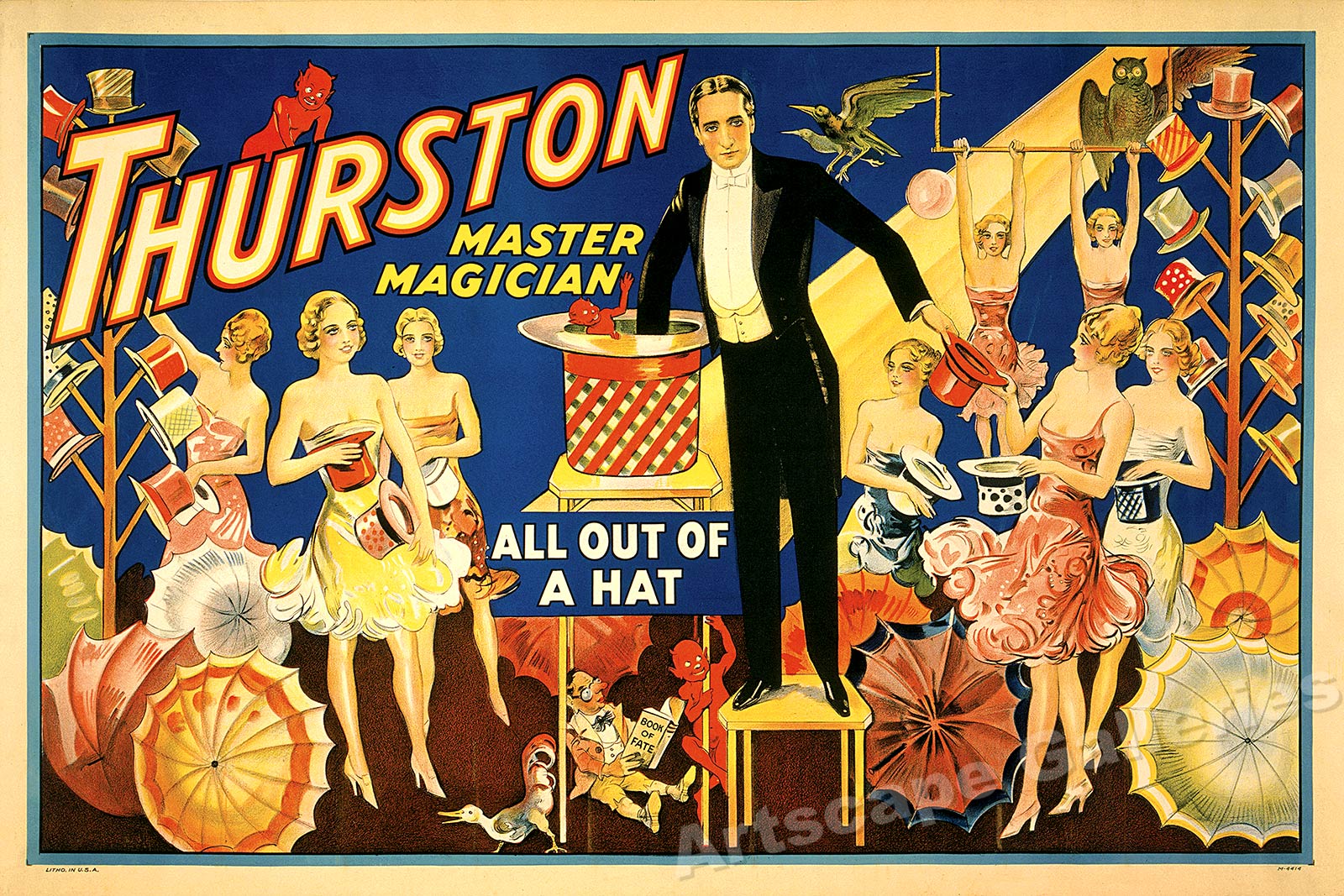
So-called stage magic is harmless light entertainment, with all the spectacle of a real illusionist but none of the creeping dread that one of these spells may misfire and summon a demon.

Court jesters, then, are rarely true wizards. On the contrary! The fun of the show comes from the acceptance that what one is seeing can’t be, and yet is, happening; magic, however eldritch, is very much real, and therefore not particularly awe-inspiring. Anyone knows a wizard can breathe flame – but how did that dancer manage it?!


Recently, performances have evolved from simple imitations of mages and turned misdirection and distraction into their own art form, playing as part of vaudeville and burlesque shows or in gambling halls and circus tents, entertaining the paying public rather than nobles at court. The modern practice is inseparable from casino culture, with many performers incorporating tests of chance and skill to wring money from any punters trying their luck. 

Traditional wizards scoff at these mundanities with all the self-important superiority of an elf discussing human wine. But newer, younger mages, unbound by the self-imposed shackles of academia and seeking new frontiers to breach, have found something of value in the philosophy and artistry of the harlequin’s patter and performance. 

A new movement in wizardry has begun in earnest, bringing with it a fresh attitude and all-important sense of style. Among the youth, performance “magic” has begun influencing the real thing.
Magicienne 

aka Prestidigitator, Casino Witch, Lady (or Gentleman etc) of Luck 

Level/HD/To Hit/Save/Spell List, etc, as a Wizard 

You gain the following upon taking this class: special Garbskills of Distraction, either a Familiar or some good Luck, a Trick, and an Extended 1st Level Spell List. 

Garb 

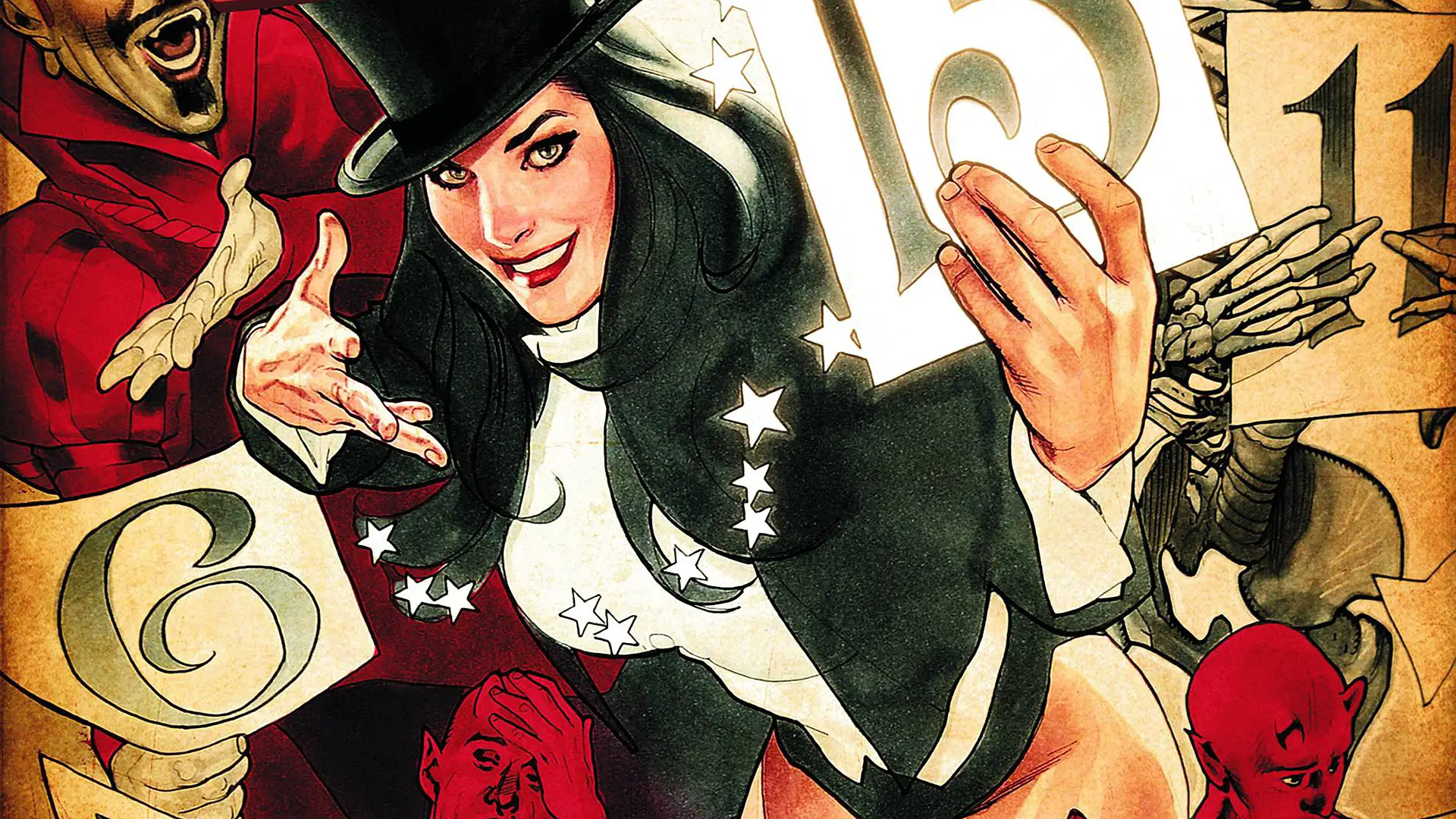
Magiciennes dress as if for the stage, whether in actor’s finery or something more elaborate; the skin-tight suit of a tumbling harlequin perhaps, or a smart tux and tails, the slacks often swapped for fishnets (an element of the tease is hardly out of place). The aim of the game is distraction, darling. 

Masks are not uncommon, ditto capes. Full drag isn't unheard of either. Some punks have even taken the heretical step of swapping the classic pointed wizard’s travelling hat for a sleek black top. And don’t get me started on what kids think passes for a wand these days… 

Roll for a motif or emblem, if you feel you need one. 

1: Playing cards and their symbols (perhaps one in particular – draw a card). 
2: Gambling accoutrements: dice, roulette or the slots. 
3: A game such as chess or dominoes, or a particular piece.
4: A rabbit.
5: A rose.
6: A bird, likely a dove or magpie.


Distraction

(This is a mundane skill, not magical – you are persuasive, entertaining, alluring, or likely some combination of the above.) 

If your system uses Reaction rolls and/or Talents or Proficiencies:

You gain +1 to Reaction rolls against anyone who might find your magic, appearance or mere presence diverting. This doesn’t include other mages, who find you a bit much. 

You are Proficient with sleight of hand and performance.

Your familiar, if you have one, has these same skills. 

Otherwise: 

When meeting a person or intelligent creature who might find you or your craft diverting, you have a 1 in 6 chance to command their attention. Your familiar has this same ability. 

You can reroll this skill once on an audience if you cast a spell they have not seen before.

Familiars 

Those who keep the tradition of spirit-servantry put their own spin on it; the old-fashioned cats, rats and toads simply won’t do. 

1: Your hat is itself your familiar. A post-modern approach. 
2: Your reflection, though the scope of its ability to aid you is limited to the World on the Other Side of All Mirrors.
3: A white dove.
4: A white rabbit.
5: A white jackalope.

6: The Glamorous Assistant. As a magical hireling, but is unskilled with all tasks other than helping you with spells and other wizardly pursuits (y’know, familiar stuff), or generally making you look good. 

Or… Luck 

Some of the new school eschew familiars altogether; instead the spirit they focus on channelling is that mysterious and seductive force known as Luck. With faith and good favour, they are capable of turning their personal fortunes around. (Miscasting spells because the fates demand it? That’s for the birds.) 

Instead of a familiar: Once per day, roll d100 under your level to gain a Luck point. Spend this point to reroll any one die and keep the better result. You may have one Luck point at a time. 

Tricks

Little twists of cheap magic that absolutely do not follow classical spell procedure. In fact, they are closer in nature to the dirty, bastard magic of common thieves – the magic is all in a flourish of the hands and a flick of the wrist. 

Consume no mana or spell slots while casting thesejust do them whenever. 

1: You can create lights like tiny fireworks and hold them in your hand, snuffing and relighting them at will. You can also hold light from other sources, snatching it out of lamps and the like.
2: You can pass weapons through matter without causing any damage, if you wish. To switch between damage and no damage, the weapon must be completely removed and then re-inserted.
3: You can keep one small thing at a time in your hat, making it disappear from reality until you need it again. Living creatures other than your familiar do not survive this process.
4: Coins and similar small treasures you hold can be disappeared safely, up to an amount you could carry. To get them back, “find” them (behind an ear, in your mouth, from your cleavage, etc).
5: You can levitate yourself or someone nearby several feet off the ground, straight up and down only (once they’re up there you could always pull them around like a balloon or something).
6: You can instantly undo any non-magical ropes, handcuffs, or other restraints that bind you. 

All magiciennes can also use these flourishes of their hands for very light telekinesis: straightening their bow tie, brushing dust from their lapels, that kind of thing.


Extended 1st Level Spell List 

Magiciennes have access to these spells as well as the standard wizard spell list. The first time a character levels as a magicienne (including creating a character at level 1), all new spells must be taken from this list.

All Eyes On Me: Everyone nearby who is aware of your presence, or becomes aware of you during the duration of this spell, is unable to focus on anything else but you. Their opinion on you doesn’t necessarily change – an enraptured audience is still just as invested, an angry mob still just as bloodthirsty – but they fail to notice other details about their surroundings, including anyone else who might be nearby. This spell lasts a number of minutes equal to your level.

Check Your Pockets: A single small item currently in the possession of a nearby target – something they are holding, carrying or wearing – disappears and reappears on your person.

Eyes on the Prize: Any single small item which you possess or which you have concealed somewhere is now in any other location of your choosing. You may continue to move it around for 1 minute. 

Is This Your Card?: Target one nearby item and one nearby person – you learn the significance, if any, of each to the other (in broad strokes, nobody wants their life story). 

Now You Don’t: If you are unobserved, you may teleport to any nearby location in which you would also remain unobserved (this spell might fail because you were being observed but didn’t know it, in which case you magically discover who’s watching you).

Puff-Puff: Has an X-in-6 (X = your CHA modifier) chance of distracting an enemy to the point of total inaction until you leave their sight. On a failed roll, they are distracted by you for one round, but not to the extent that they can’t act. 

Quick-Change: Instantaneously create full outfits matching any you have seen for a number of people up to your levelThis spell is a conjuration, not an illusion – so any clothing you create actually exists for the spell’s duration. The spell ends in moonlight or by your will. You may conjure clothing directly onto the person of yourself or any willing targets, but any clothes they are already wearing are consumed by the spell. 

Sawing the Lady in Half: You split a target at the waist, their legs and abdomen now separate from the rest of them. They remain alive and healthy, and may still control both halves. They are restored if the halves touch. Unwilling targets must save vs spells.

Squib: Upon being slain in battle, you in fact only appear to die for a moment – regain 1 HP. It’s not a lasting illusion, just a moment of magical misdirection: from the start of your next round, anyone who cares to check can tell you’re still alive. 

Switcheroo: You and a willing person or creature on the same plane of existence swap locations.

Think of a Number: You command a target to think of something, anything – their true name, the password, the place they hid the body. Whatever it is, they think of the truth, and you read that single thought telepathically.